Table of contents
Artificial intelligence has rapidly transformed the landscape of content creation, with voice cloning technology emerging as one of the most intriguing yet controversial innovations. As synthetic voices become indistinguishable from real human speech, questions arise about authenticity, privacy, and consent. Dive deeper into the complexities surrounding AI voice cloning to uncover the ethical dilemmas and considerations that every content creator, consumer, and technologist should be aware of.
Defining ai voice cloning
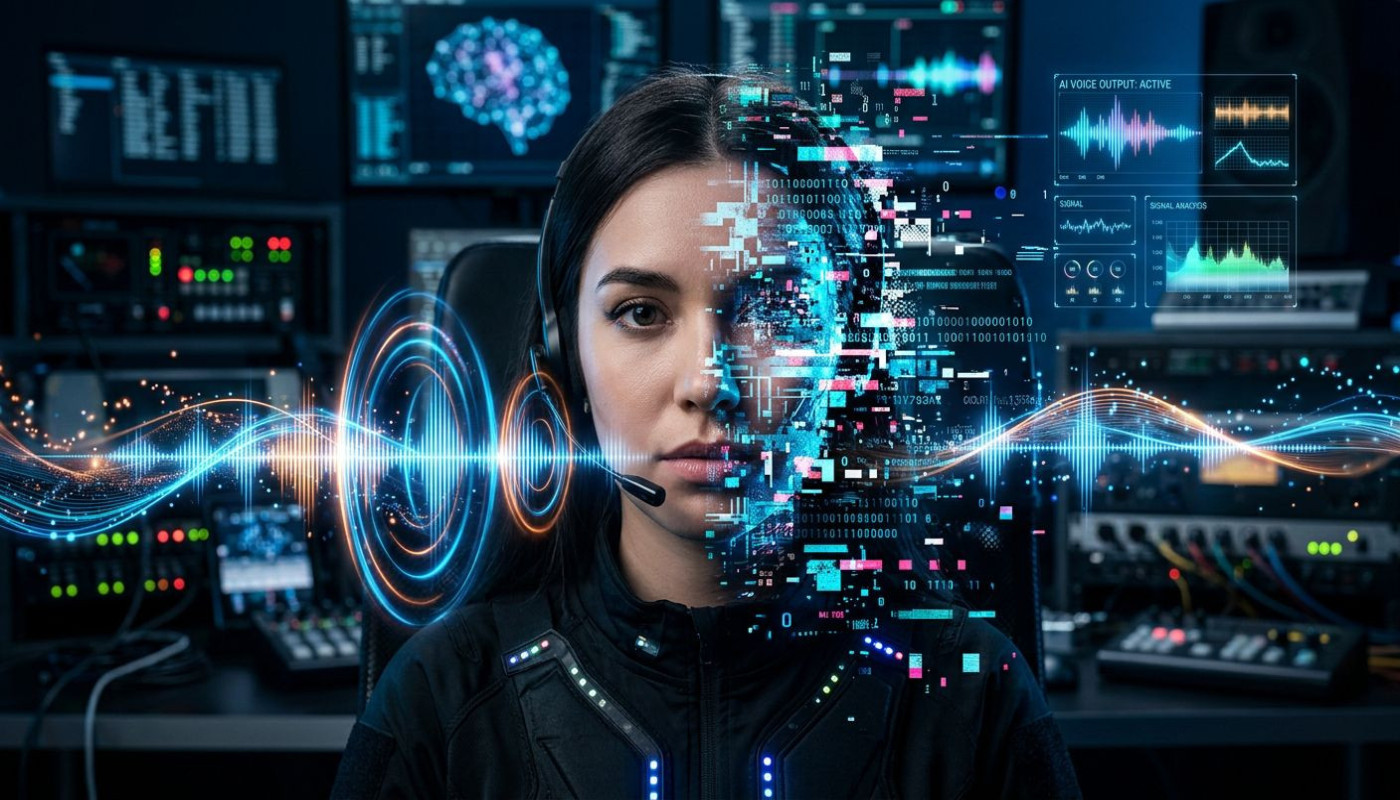
AI voice cloning is revolutionizing content creation by allowing the precise replication of human voices using advanced technologies. At its core, ai voice cloning employs neural networks and deep learning algorithms to analyze and reproduce the unique characteristics of a speaker's voice. Deep learning models, particularly generative adversarial networks, play a pivotal role by training on extensive datasets of recorded speech. These systems learn to capture tone, pitch, accent, and inflection, making synthetic speech nearly indistinguishable from natural human voices. Voice replication in this context goes far beyond traditional voice modulation, which merely alters pitch or speed; instead, AI-driven replication can generate entirely new speech that sounds authentic even when uttering previously unspoken words or phrases.
In the realm of content creation, ai voice cloning enables the production of audio content in various languages and tones, opening new pathways for personalized media experiences. The use of generative adversarial networks ensures high fidelity in voice replication, allowing creators to develop synthetic speech with remarkable accuracy and nuance. This technology differs significantly from prior voice modulation tools, as it generates lifelike results that can closely mimic specific individuals, raising complex issues regarding authenticity and the potential for misuse. Understanding how neural networks and deep learning collaborate to produce these results is vital for anyone concerned with the rapid evolution of voice cloning in today's media landscape.
Authenticity and misinformation risks
AI voice cloning introduces unprecedented challenges to maintaining authenticity in media, particularly due to its potential for deepfakes and audio spoofing. With advancements in synthetic voice technology, replicating a person's speech patterns and tone has become highly accurate, making it increasingly difficult for listeners to distinguish between genuine statements and fake audio. This sophisticated level of content manipulation enables the creation of convincing audio clips that can be weaponized to spread misinformation, sway public opinion, or impersonate public figures. Deepfakes generated through audio spoofing can be integrated seamlessly into news reports, interviews, or social media, amplifying the threat of false narratives gaining traction. The proliferation of synthetic voice tools necessitates heightened vigilance in content verification, as the line between authentic communication and manipulated media continues to blur.
Privacy and consent challenges
Privacy concerns are at the forefront when discussing AI voice cloning, especially as this technology allows for the replication of unique vocal characteristics, which are considered biometric data. The issue becomes even more complex when voice cloning is conducted without explicit voice consent, blurring ethical boundaries and exposing individuals to significant digital rights violations. Intellectual property rights over one’s own voice are not universally protected, creating a gray area where unauthorized cloning can occur and be misused, such as impersonating individuals or generating fraudulent content. Laws regarding these practices vary by jurisdiction, but the responsibility to obtain informed consent and respect personal digital assets always remains a foundational principle in technology law.
Ethical boundaries are continually tested as AI advances, raising questions about who owns and controls the use of someone’s voice once it is digitized. In cases where consent is not properly documented, individuals are at risk of losing control over their biometric data, leading to potential misuse in media, advertising, or social engineering attacks. Legal frameworks are still evolving to adequately address these challenges, making it vital for content creators and developers to stay informed about current regulations and best practices in order to prevent unauthorized cloning and its consequences.
To further understand how voice cloning technology is impacting the digital creator landscape and why proper voice consent and privacy safeguards are a necessity, readers can find comprehensive insights by clicking here. This resource provides a detailed look at both the opportunities and challenges brought about by AI voice cloning, emphasizing the need for clear ethical guidelines and robust digital rights protections in the ever-changing realm of content creation.
Impacts on creative industries
AI voice cloning significantly influences creative industries by reshaping how digital content is produced and consumed. For voice actors, this technology introduces both opportunities and risks, as it can streamline content creation and open new avenues for innovative storytelling, advertising, and entertainment experiences. Yet, AI-generated voices also raise pressing questions about creative rights, as the ability to replicate unique vocal performances may undermine the value and recognition earned by human artists. Intellectual property becomes a central issue, since cloned voices can be distributed widely without direct approval from the original talent, blurring the boundaries of ownership and consent in digital media.
Within the entertainment and media sectors, the rise of AI voice cloning holds the promise of reducing production costs and making creative projects more accessible to diverse audiences. At the same time, it presents the risk of exploitation, where creative professionals, particularly voice actors, may find their livelihoods threatened if their voices are replicated without proper authorization or compensation. The balance between innovation and ethical responsibility is delicate, requiring robust industry standards and transparent policies to safeguard the rights of creators while embracing the technological advancements that drive digital content forward.
Ensuring ethical ai development
Ethical ai voice cloning demands a proactive approach focused on responsible innovation and adherence to ai guidelines. Developers and policymakers share significant responsibilities in establishing environments where algorithmic transparency is prioritized. Strategies such as clear disclosure of ai-generated content and the implementation of technical safeguards help prevent misuse and enhance user trust. Regulatory frameworks play a pivotal role, providing structured oversight and standardizing practices to ensure that voice cloning technologies are developed and deployed within ethical boundaries. Establishing robust policies for data privacy, informed consent, and ongoing monitoring of voice cloning solutions further reduces risks associated with unauthorized use and potential manipulation. By embedding these best practices into each phase of development, those involved contribute to a safer, transparent, and more trustworthy ai ecosystem.
Similar articles